The Story of Flight
44 milestones, in order
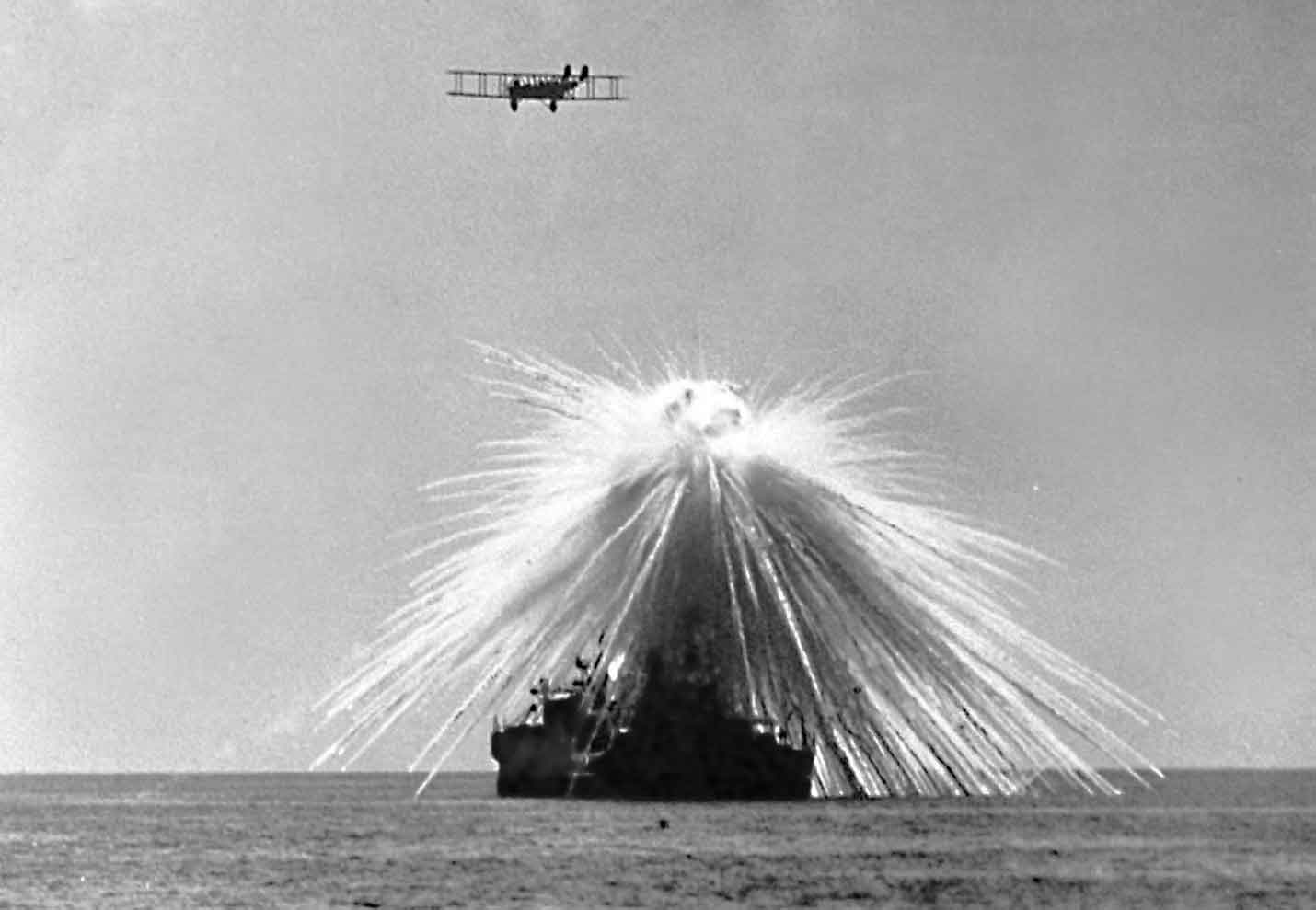
Aircraft Sinks US Battleship
The U.S.
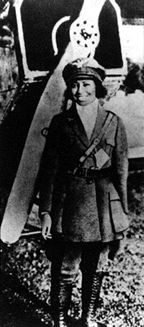
Bessie Coleman Goes to France to Learn to Fly
In the early 1920s Bessie Coleman, an African American woman determined to become a pilot, found every door in the United States closed
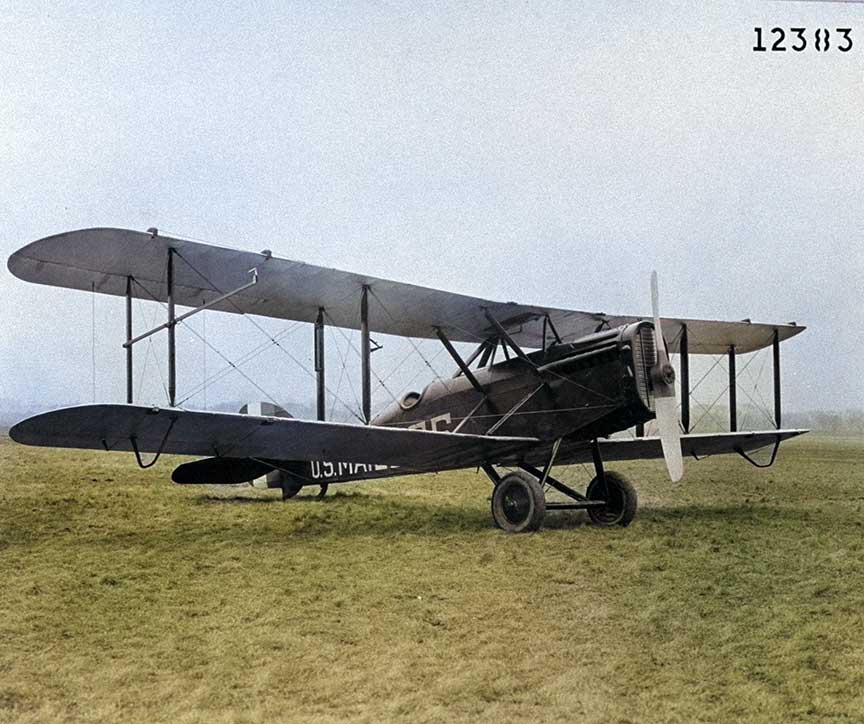
Doolittle Goes Coast to Coast in a Day
Jimmy Doolittle achieved a remarkable feat of aviation by completing a coast-to-coast flight across the United States in under one day,
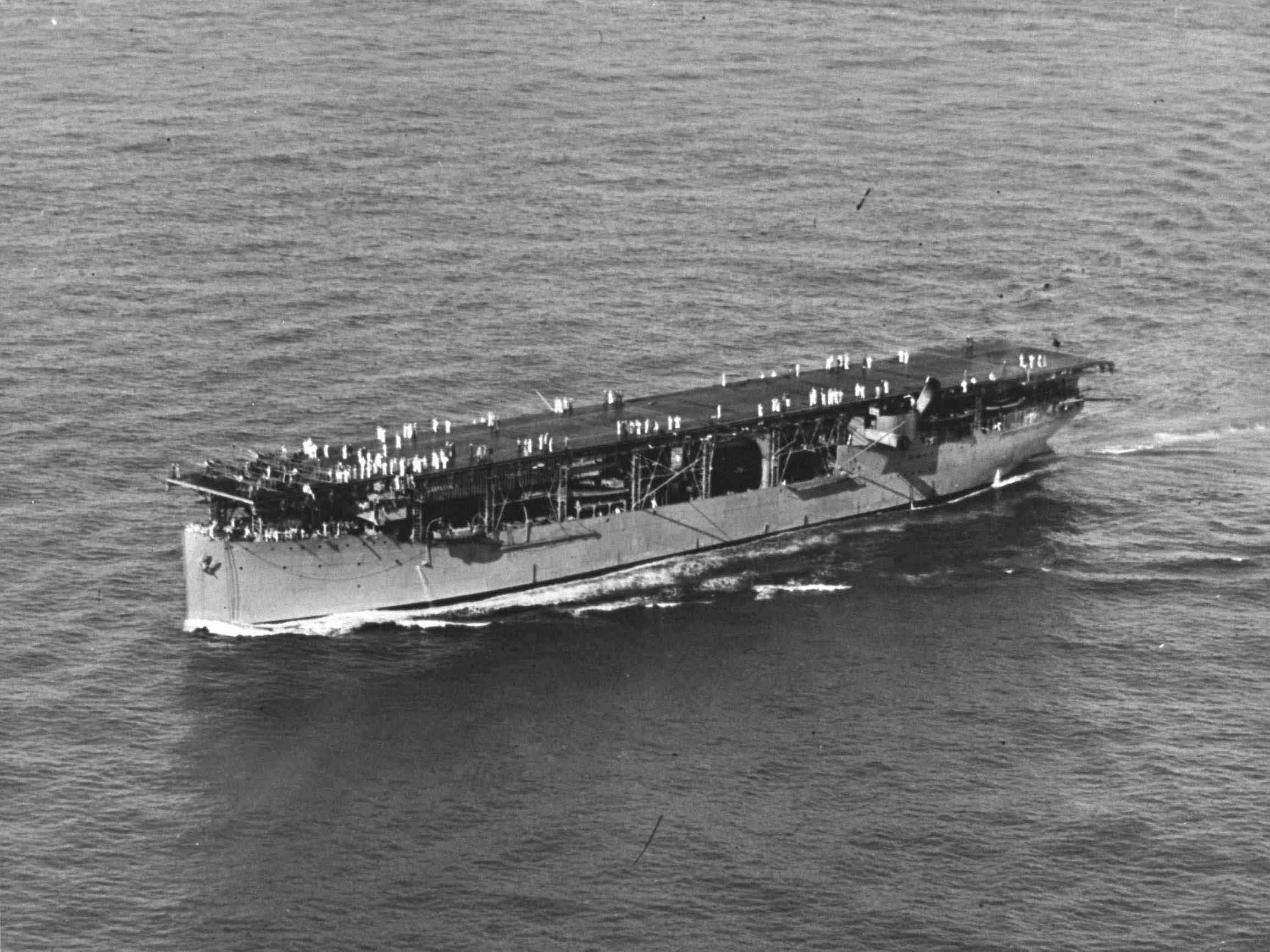
First US Aircraft Carrier Launched
On March 20, 1922, at Norfolk, Virginia, the USS Langley (CV-1) was commissioned as the United States Navy’s first aircraft carrier.
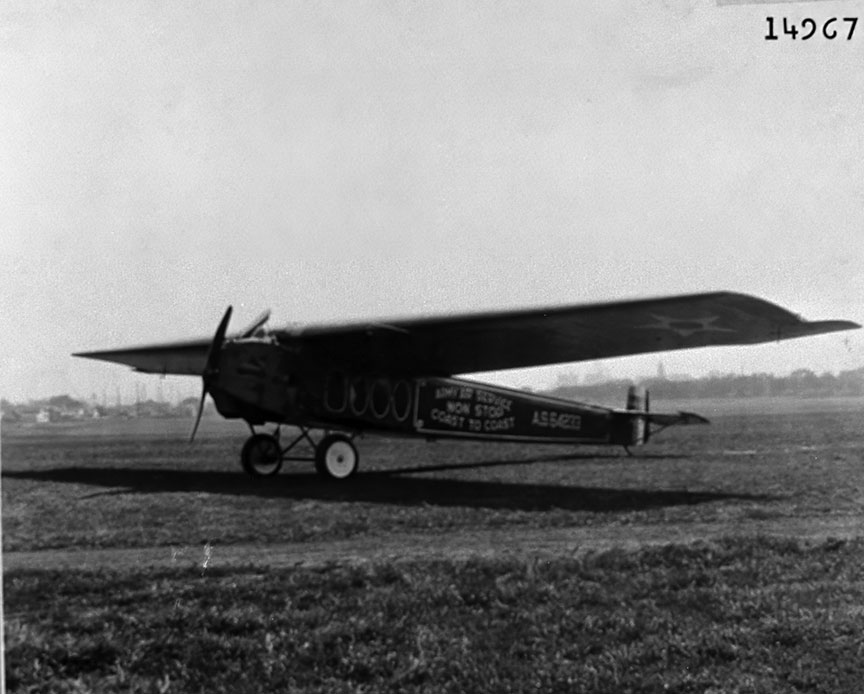
U.S. Crossed Non-Stop
On May 2-3, 1923, U.S.

USS Shenandoah Launched
On September 4, 1923, the USS Shenandoah, designated ZR-1, made its first flight, becoming the first rigid airship built in the United
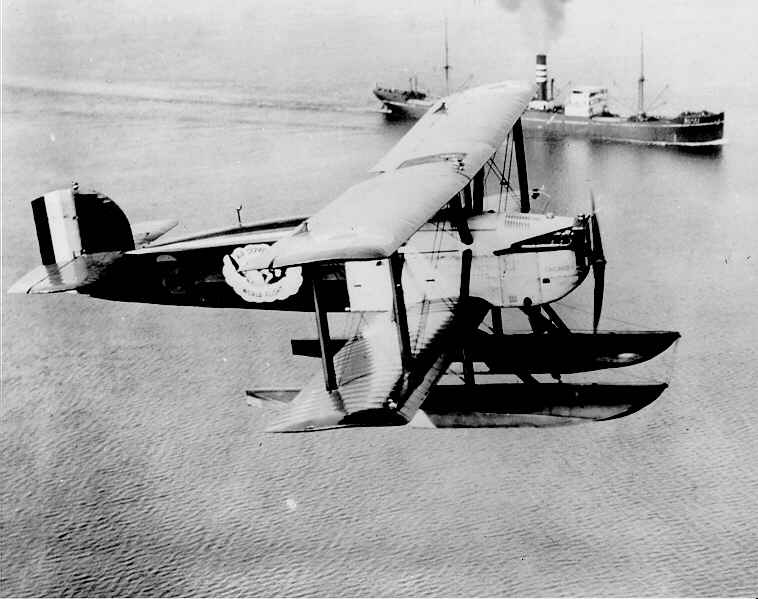
Around the War Flight
On September 28, 1924, two American aircraft, The Chicago and The New Orleans , returned to the United States after completing the firs
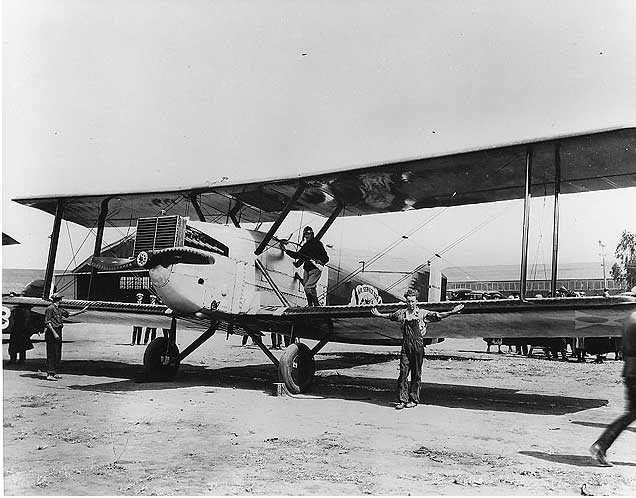
First Around-the-World Flight
On September 28, 1924, two American aircraft, The Chicago and The New Orleans, returned to the United States after completing the first
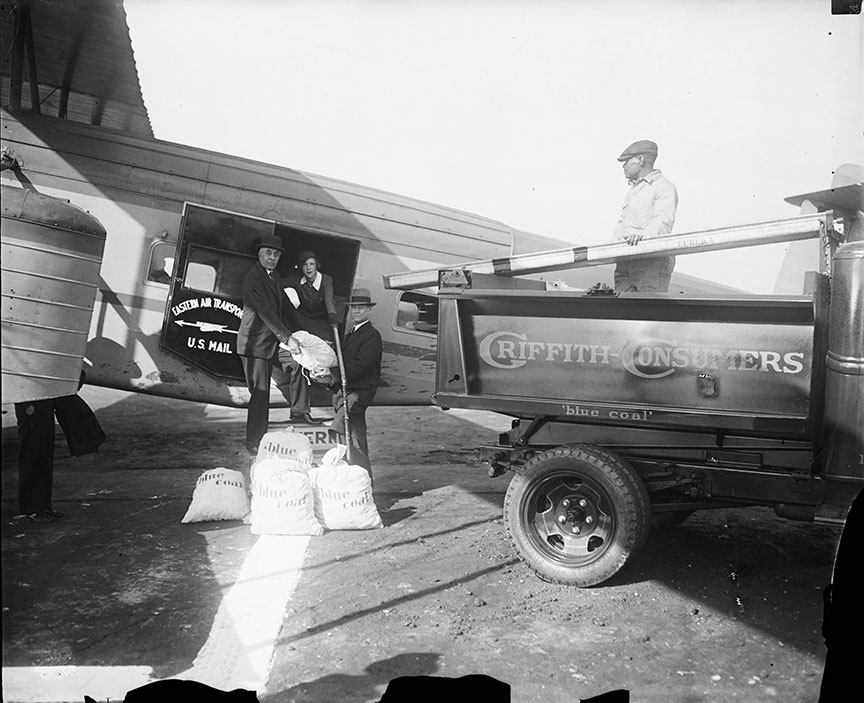
Air Mail Contracts
Following the passage of the Air Mail Act, a significant shift in the United States’ approach to airmail transportation occurred.
Air Mail Service Introduced
Following the passage of the Air Mail Act, a significant shift in the United States’ approach to airmail transportation occurred.
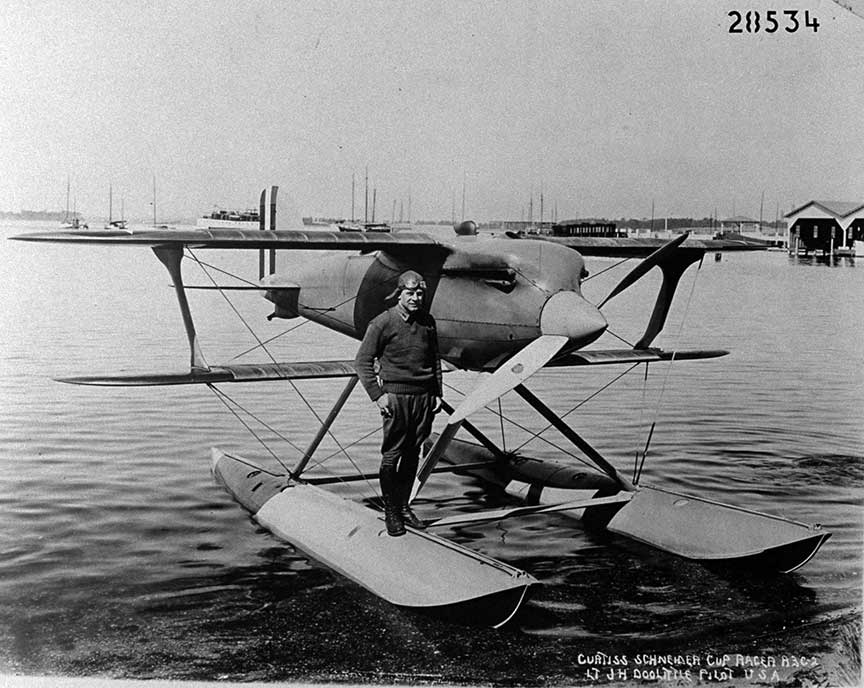
Doolittle Wins the Schneider
Army Lieutenant Jimmy Doolittle made history on October 26, 1925, by winning the prestigious Schneider Trophy race, an international co
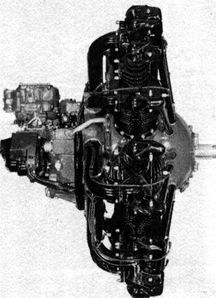
Pratt & Whitney Introduces the Wasp Engine
In 1925-1927 Pratt & Whitney introduced the Wasp, a powerful air-cooled radial engine that quickly became one of the most influential a
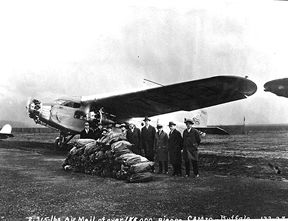
Ford Trimotor Introduced
The Ford Trimotor and the Birth of Commercial Aviation in America When Henry Ford unveiled the Ford Trimotor in 1926, the world of avia
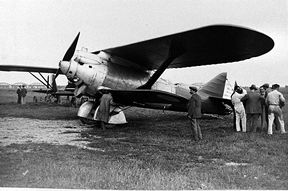
French Cross the South Atlantic
On October 15, 1927, Captain Dieudonné Costes and his navigator, Lieutenant Commander Joseph Le Brix, carried out one of the most impor
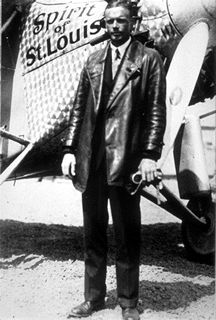
Lindbergh Flies Across the Atlantic
On the rainy morning of May 20, 1927, twenty-five-year-old Charles Augustus Lindbergh — a lanky, little-known U.S.
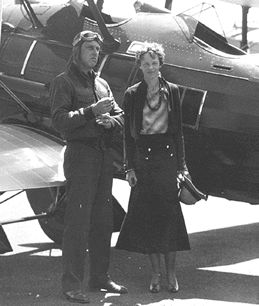
Earhart — First Woman Across the Atlantic
On June 18, 1928, Amelia Earhart entered aviation history when she became the first woman to cross the Atlantic by air.
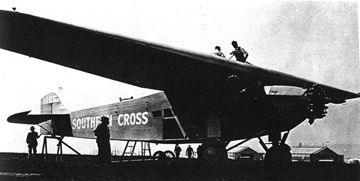
From San Francisco to Australia
At 8:48 a.m.
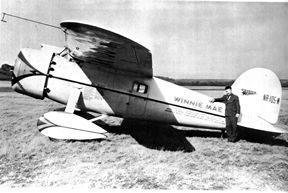
Wiley Post Sets New Round-the-World Record
In the summer of 1931 the American aviator Wiley Post, flying with his navigator Harold Gatty, set a new record for circling the globe.

Amelia Earhart's Solo Transatlantic Flight
On May 20-21, 1932, Amelia Earhart became the first woman to fly solo across the Atlantic Ocean.
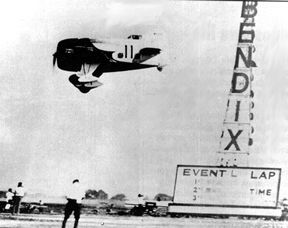
Doolittle Seizes the Speed Record
On September 3, 1932, at the Cleveland National Air Races — the most spectacular aviation event in Depression-era America — Major James
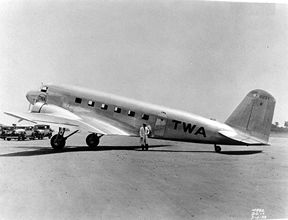
TWA Takes Delivery of the DC-1
On September 15, 1933, TWA took delivery of the Douglas DC-1 at a time when airlines were racing to modernize and gain an advantage ove
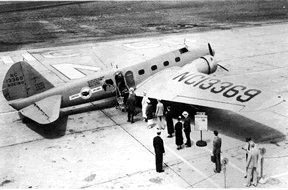
United Begins Flying the 247
On March 20, 1933, United Airlines began flying the new Boeing 247, a major step forward in commercial aviation.
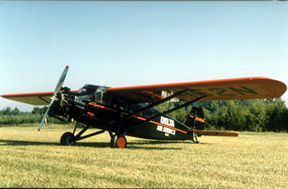
Air Mail Contracts Suspended
By the early 1930s the American airline industry was expanding rapidly, propelled in large part by lucrative government air mail contra
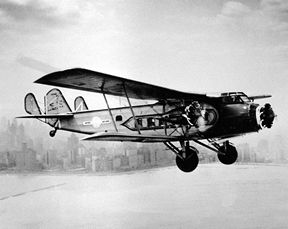
Air Mail Contracts and the Breakup of United Aircraft
The Air Mail scandal of 1934 reshaped American commercial aviation.
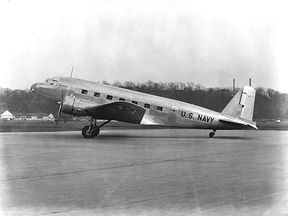
DC-2 Introduced
On May 11, 1934, TWA placed the Douglas DC-2 into service, giving the airline a more capable aircraft for its growing transcontinental
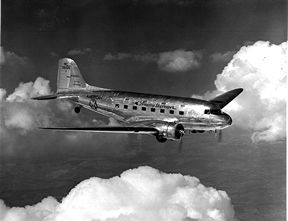
DC-3 Introduced
On December 17, 1935 — the thirty-second anniversary of the Wright Brothers' first flight at Kitty Hawk — a new aircraft rolled down th
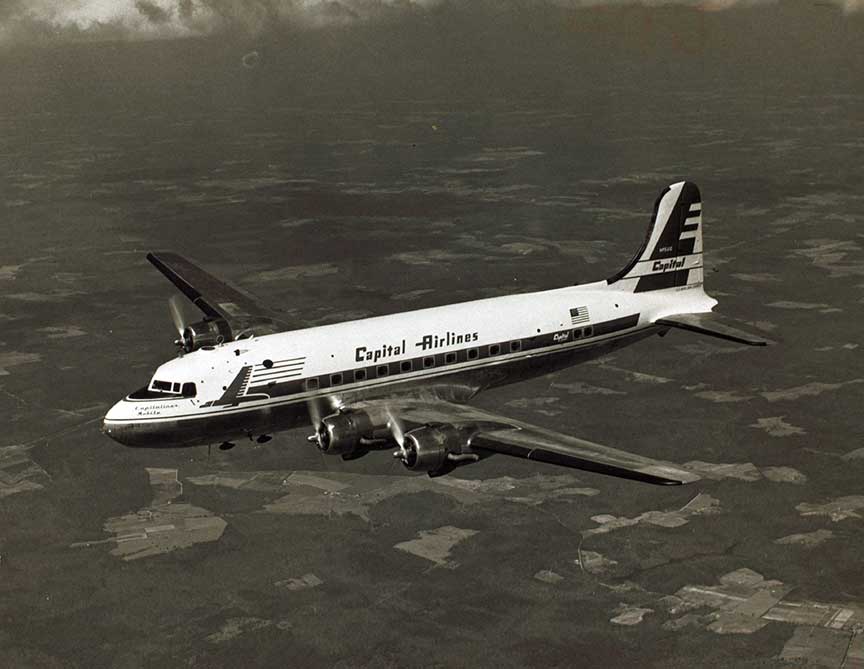
DC-4 Flown for the First Time
In 1935 while the DC-3 was still in the design phase, airlines asked for a larger plane to be designed by Douglas.
Earhart — First Woman to Cross the Pacific
On January 11, 1935, at 4:44 p.m.
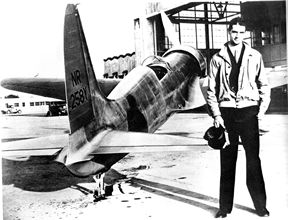
Howard Hughes Slashes the Speed Record
On September 13, 1935, twenty-nine-year-old millionaire Howard Hughes climbed into the cockpit of a machine he had spent eighteen month
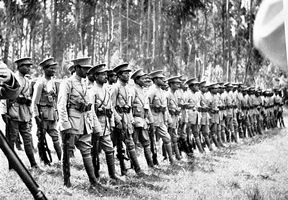
Italian Air Power Used Against Ethiopia
In 1935 Fascist Italy under Benito Mussolini invaded Ethiopia, then often called Abyssinia, in a war that became a grim demonstration o
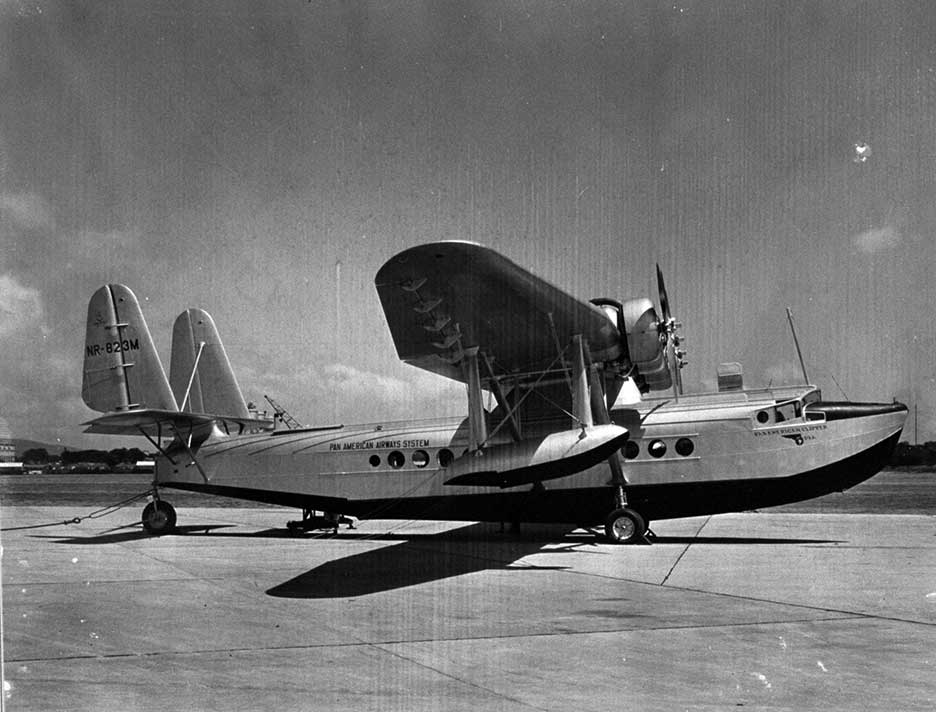
Pan Am Begins Service to Manila
On the afternoon of November 22, 1935, with a great ceremony broadcast nationally over the radio, Pan American Airways' China Clipper —
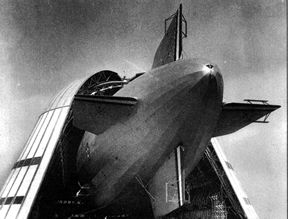
USS Macon Crash
The USS Macon was one of the United States Navy's two giant rigid airships, a flying aircraft carrier designed to scout for the fleet a
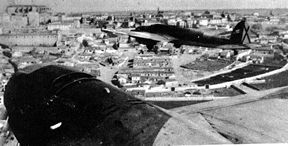
Air Tactics Tested in the Spanish Civil War
The Spanish Civil War (1936-1939) became an unintended proving ground for the air-warfare theories that had been debated since the Firs
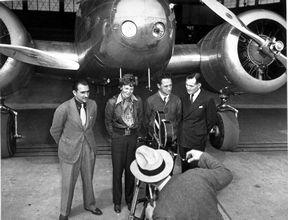
Amelia Earhart Lost
On July 2, 1937, Amelia Earhart vanished over the central Pacific Ocean while attempting to become the first aviator to circumnavigate
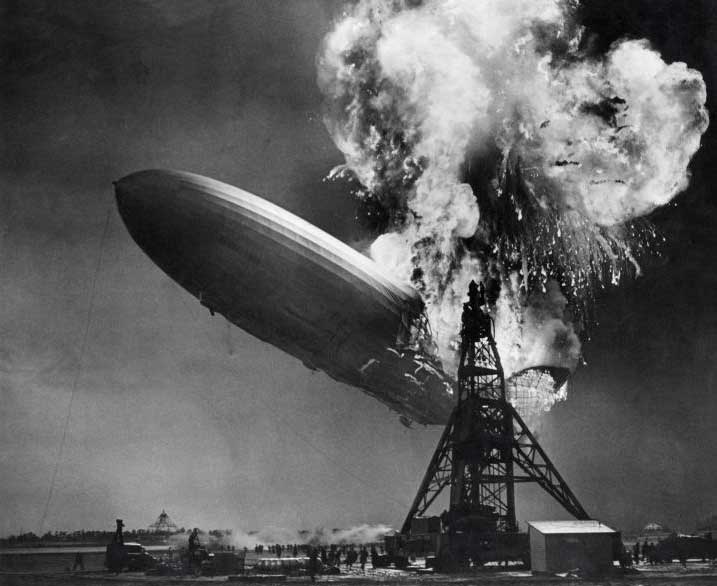
Hindenburg Blows Up
On the evening of May 6, 1937, the German dirigible Hindenburg approached its mooring mast at Naval Air Station Lakehurst in New Jersey
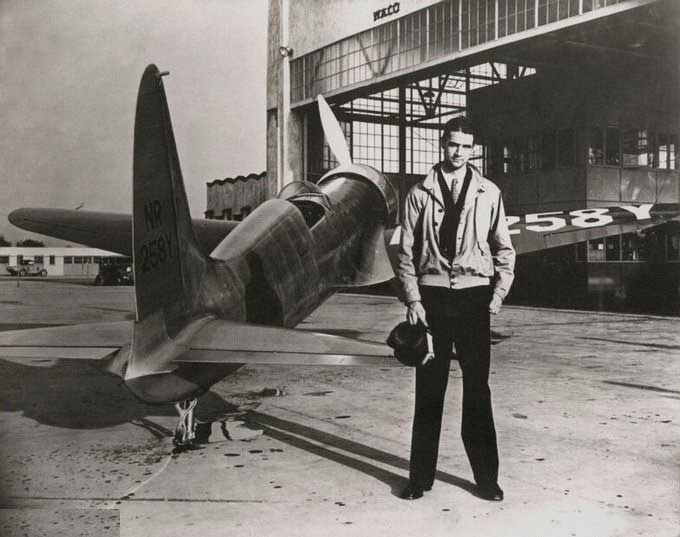
Howard Hughes Crosses the U.S. in Under Ten Hours
On January 19, 1937, the millionaire aviator and aircraft designer Howard Hughes flew across the United States in record time, completi
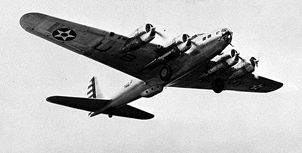
U.S. Army Receives B-17 Bombers
On March 1, 1937, the United States Army Air Corps took delivery of the first aircraft from its initial order of 13 Boeing B-17 bombers
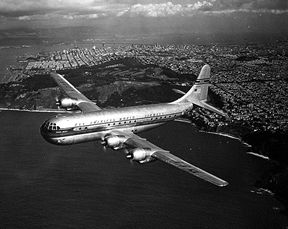
Boeing Unveils Its Stratoliner
On December 31, 1938, Boeing Aircraft took its newest and most technologically advanced passenger aircraft aloft for the first time, ma
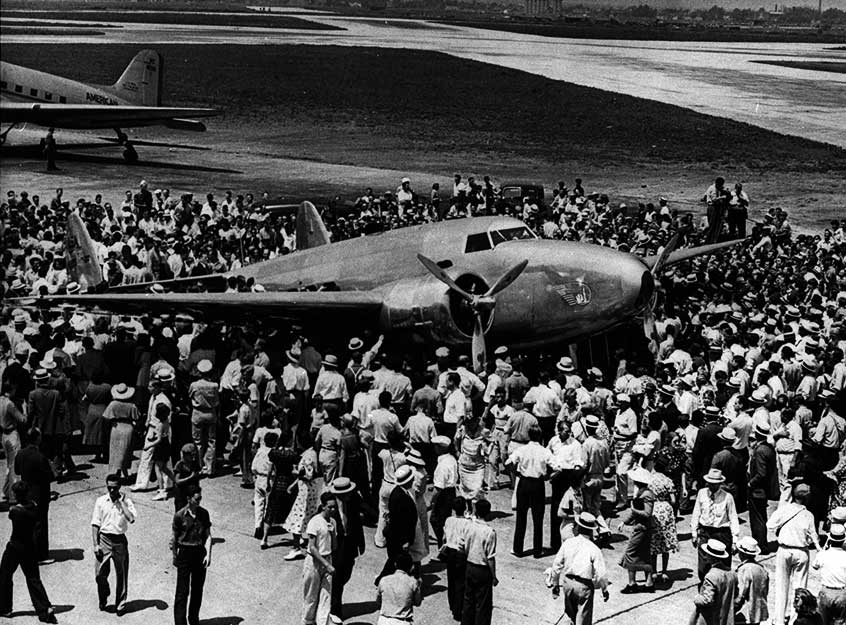
Hughes Sets a New Record
On July 10, 1938, aviator and industrialist Howard Hughes lifted off from Floyd Bennett Field in New York aboard a specially modified L
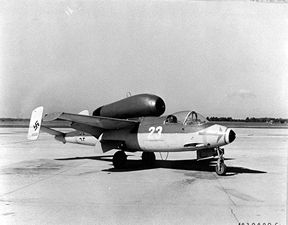
Germans Test a New Airplane
On August 27, 1939, just five days before Germany invaded Poland and plunged the world into the Second World War, a quieter revolution
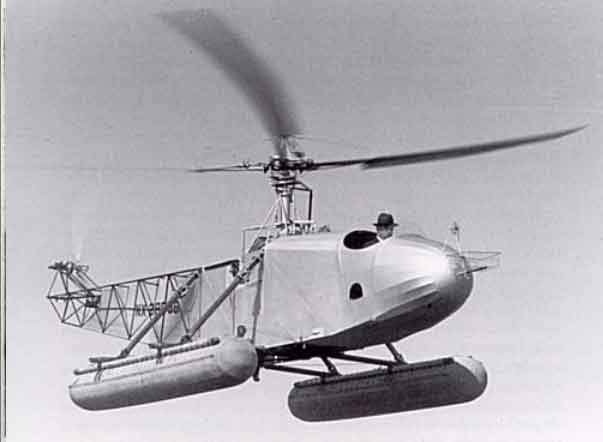
Igor Sikorsky Flies a Helicopter
On September 14, 1939, Russian-born aviation pioneer Igor Sikorsky lifted the VS-300 off the ground at the Vought-Sikorsky aircraft pla
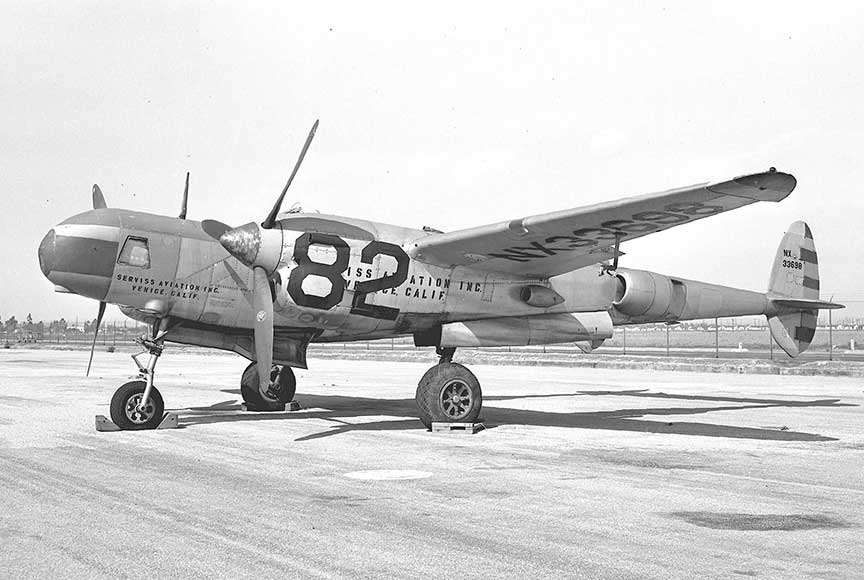
P-38 Crosses the U.S. in 7 Hours 2 Minutes
On February 11, 1939, a prototype of the Lockheed P-38 Lightning set a new transcontinental speed record, flying across the United Stat
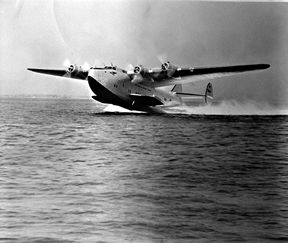
Passenger Service Across the Atlantic
On May 20, 1939, Pan American World Airways inaugurated the first regularly scheduled commercial air service across the Atlantic Ocean,
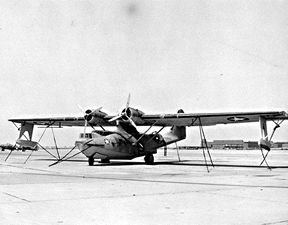
Navy Buys the Consolidated PBY
In the mid-1930s the United States Navy adopted the Consolidated PBY as its new long-range patrol flying boat, acquiring the aircraft t