U.S. Army Receives B-17 Bombers
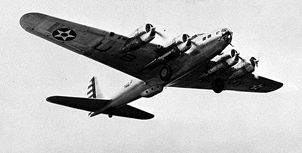
On March 1, 1937, the United States Army Air Corps took delivery of the first aircraft from its initial order of 13 Boeing B-17 bombers, marking the operational debut of what would become America's premier strategic bombing platform. The four-engine heavy bomber represented a significant leap forward in American air power, capable of cruising at 256 miles per hour at altitudes approaching 30,000 feet — performance figures that placed it well beyond the reach of most contemporary fighter aircraft and antiaircraft guns.
Designed around the doctrine of high-altitude daylight precision bombing, the B-17 embodied the Air Corps' conviction that a heavily armed, long-range bomber could strike deep into enemy territory and defend itself without fighter escort. When the United States entered World War II following the attack on Pearl Harbor in December 1941, the B-17 Flying Fortress was the backbone around which American strategic bombing strategy in the European Theater was built.
Operating from bases in England and later Italy, B-17s of the Eighth and Fifteenth Air Forces flew thousands of missions against German industrial targets, oil refineries, rail yards, and military installations. The campaigns were costly — losses over heavily defended targets such as Schweinfurt and Regensburg were severe — but the B-17's ruggedness, its ability to absorb punishment and still return its crew safely, became legendary.
The aircraft that the Army Air Corps had begun receiving in small numbers in the spring of 1937 would ultimately be produced in quantities exceeding 12,700 airframes, serving as the instrument of American air power in the decisive air war over Europe.