Pratt & Whitney Introduces the Wasp Engine
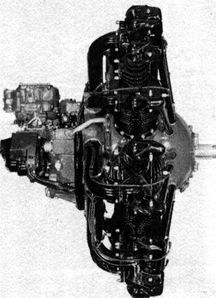
In 1925-1927 Pratt & Whitney introduced the Wasp, a powerful air-cooled radial engine that quickly became one of the most influential aircraft powerplants of its era. The first Wasp delivered roughly 400 horsepower and proved far lighter than the liquid-cooled engines it competed against, marking a decisive step in American aero-engine design.
The Wasp's air-cooled radial layout eliminated the heavy radiators, plumbing, and coolant required by liquid-cooled types such as the wartime Liberty engine, saving considerable weight while improving reliability. These advantages made the engine attractive for both military and commercial use, and the Wasp soon powered a wide range of aircraft on both Navy and civil rosters.
The Wasp launched a celebrated family of Pratt & Whitney radial engines that powered countless aircraft through the 1930s and into the Second World War. Its commercial success helped establish Pratt & Whitney as a leading engine manufacturer and confirmed the air-cooled radial as the dominant configuration for American piston-engine aircraft for decades to come.