Air Mail Contracts and the Breakup of United Aircraft
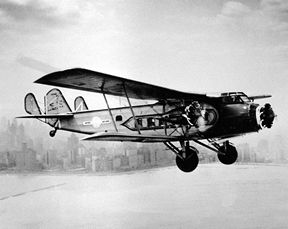
The Air Mail scandal of 1934 reshaped American commercial aviation. After allegations that lucrative airmail contracts had been awarded through collusion under the so-called Spoils Conferences, the federal government canceled the existing contracts and ordered the Army Air Corps to fly the mail. The military attempt proved disastrous, marked by crashes and fatalities in winter weather, and the airmail was soon returned to commercial carriers.
New legislation required competitive bidding and forced the separation of airlines from aircraft manufacturers. This broke apart the great vertically integrated combine United Aircraft and Transport Corporation, splitting it into separate manufacturing and airline interests, an upheaval that reorganized the industry.
When fresh contracts were rebid, a wider field of carriers won routes, and the so-called Big Four trunk lines, the predecessors of American, United, Eastern, and Transcontinental and Western Air, emerged as the backbone of the national air network. The episode laid the groundwork for the regulated, competitive airline system that carried American commercial aviation into its modern age.