The Story of Flight
41 milestones, in order
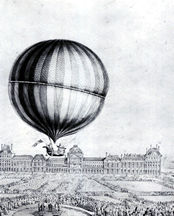
First Manned Hot-Air Balloon Flight
On November 21, 1783, Jean-Francois Pilatre de Rozier and the Marquis d'Arlandes lifted off from the grounds of the Chateau de la Muett
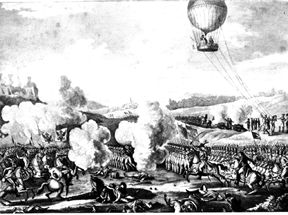
The First Use of a Balloon for Military Observation
In 1794, during the wars of revolutionary France, French forces made the first recorded use of a balloon for military observation.
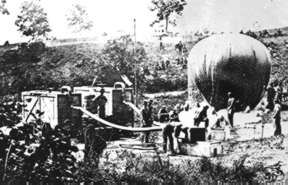
Union Balloons in the American Civil War
During the American Civil War, Union forces made notable use of observation balloons to watch the movements and dispositions of Confede
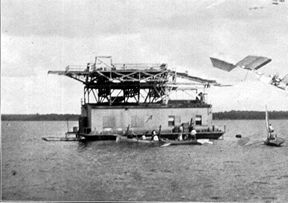
Langley's Aerodrome Model Flies
On May 6, 1896, Samuel Pierpont Langley, Secretary of the Smithsonian Institution and a respected astronomer and physicist, achieved on
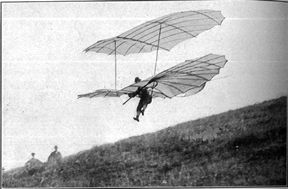
Percy Pilcher Dies in Glider Crash
On October 2, 1899, the British aviation pioneer Percy Pilcher died from injuries suffered in a glider accident in Leicestershire, Engl
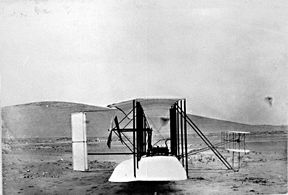
Wright Brothers Experiment with Gliders
Beginning in 1900, Wilbur and Orville Wright carried out a series of glider experiments in the windswept dunes near Kitty Hawk, North C
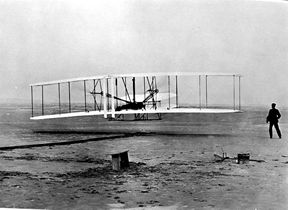
The Wright Brothers Fly
Humans have dreamed of flight since ancient times.
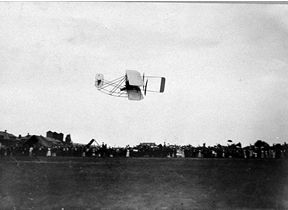
Wilbur Wright Flies in a Circle
In 1904 the Wright brothers continued their work at Huffman Prairie near Dayton, Ohio, flying an improved aircraft they called Flyer II
First Powered Flight in Europe
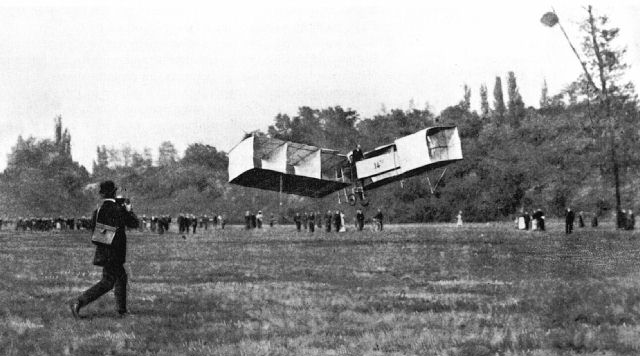
On October 23, 1906, Alberto Santos-Dumont, a Brazilian aviation pioneer, achieved a historic milestone by conducting the first officia
First Helicopter Flies
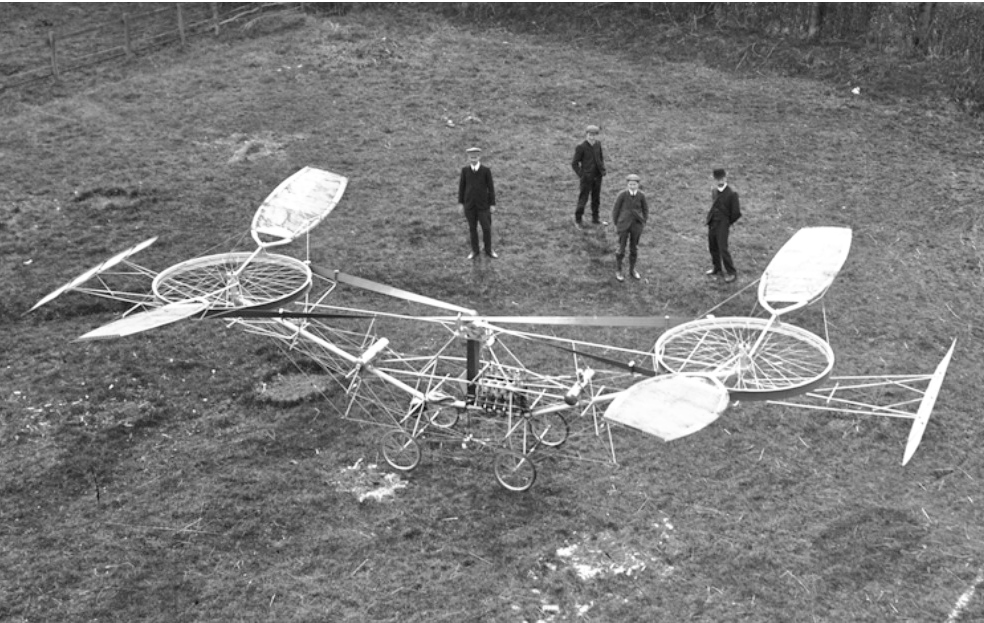
On November 13, 1907, French engineer and inventor Paul Cornu achieved a historic milestone in aviation by conducting the first success
First Passenger Killed
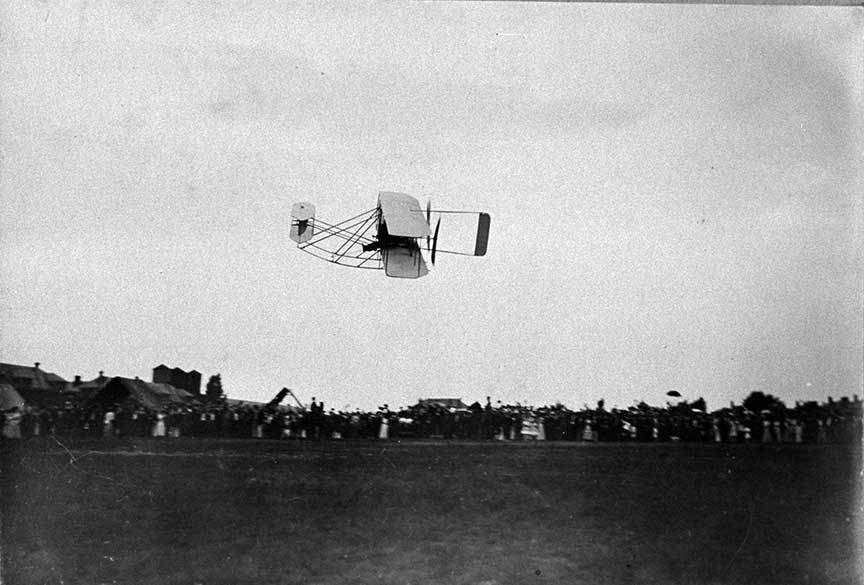
On September 17, 1908, Lieutenant Thomas Selfridge of the U.S.
Henry Farman's First Circular Flight in Europe
On January 13, 1908, the aviator Henry Farman flew the first officially observed one-kilometer circular flight in Europe, taking off an
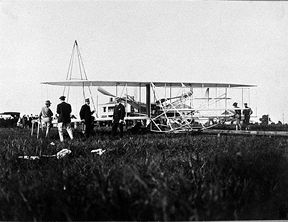
Wilbur Wright Flies for 38 Minutes
On October 5, 1905, Wilbur Wright flew the brothers' Flyer III for about thirty-eight minutes near Dayton, Ohio, circling the field at
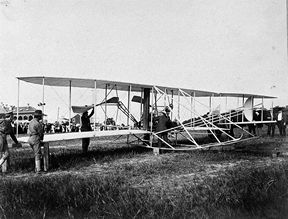
Wilbur Wright Flies in Europe
In the summer of 1908 Wilbur Wright traveled to France to silence the persistent doubts of European aviators and the press, many of who
English Channel Crossed
On the morning of July 25, 1909, aviation pioneer Louis Blériot achieved a historic milestone by becoming the first person to fly acros
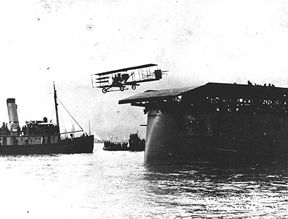
Eugene Ely Makes the First Shipboard Landing
On January 18, 1911, the civilian aviator Eugene Ely made the first landing of an aircraft aboard a ship.
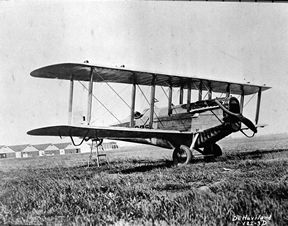
Geoffrey de Havilland Builds His First Aircraft
In 1909 the British engineer Geoffrey de Havilland built his first aircraft, a single-seat machine with a pusher configuration.
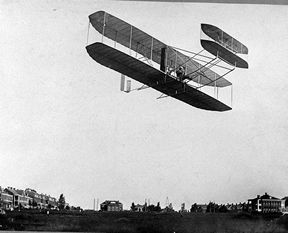
Louis Bleriot Crosses the English Channel
On July 25, 1909, the French aviator and engineer Louis Bleriot became the first person to fly an aircraft across the English Channel.
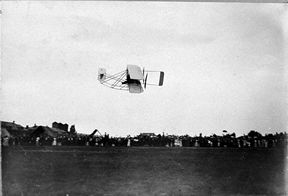
Wright Brothers Open the First U.S. Flying School
Having proven powered flight and secured contracts and contracts of demonstration, the Wright brothers turned to training the pilots wh
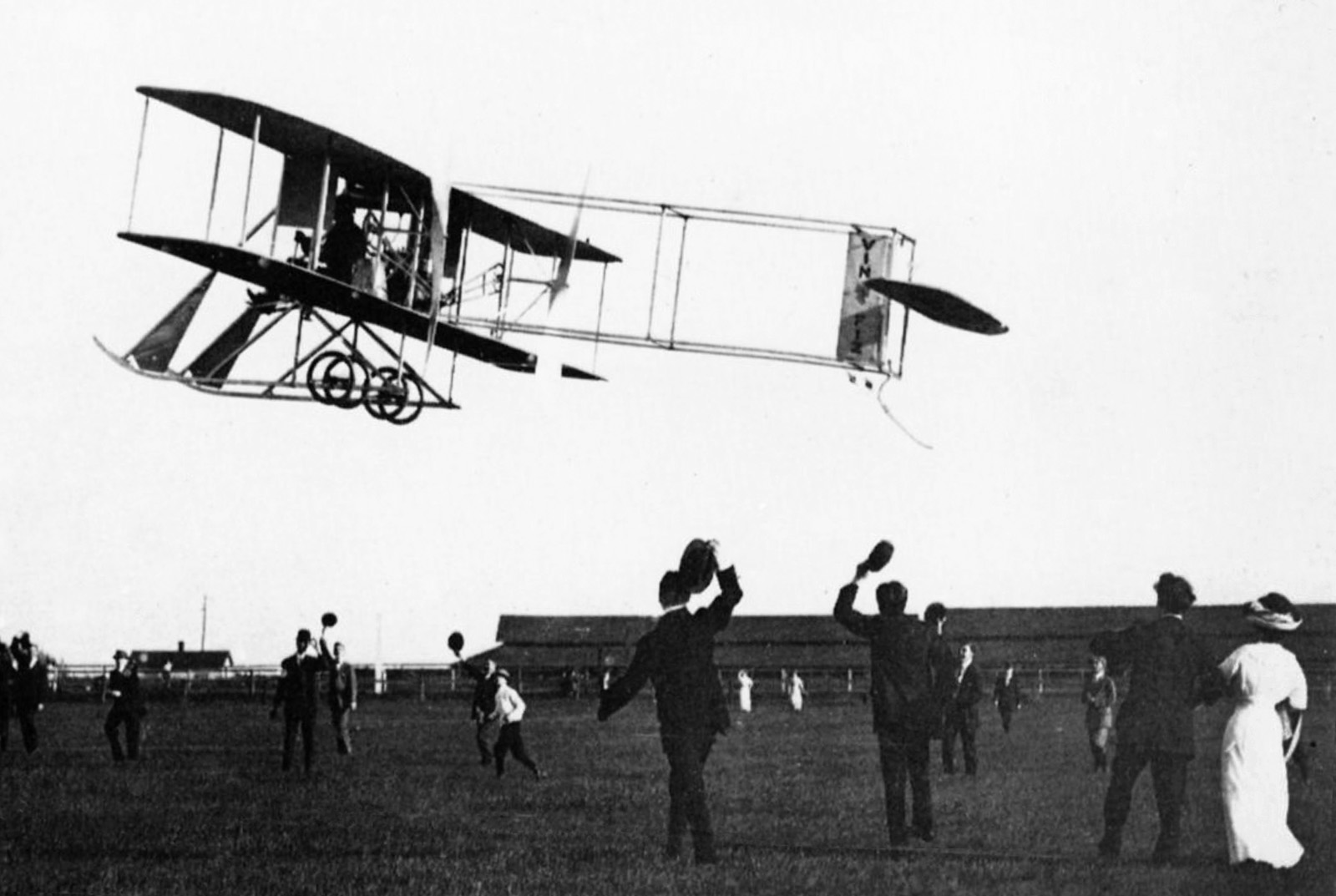
First Coast-to-Coast Flight
The flight was part of Rodgers’ quest to claim the $50,000 prize offered by publisher William Randolph Hearst for the first aviator to
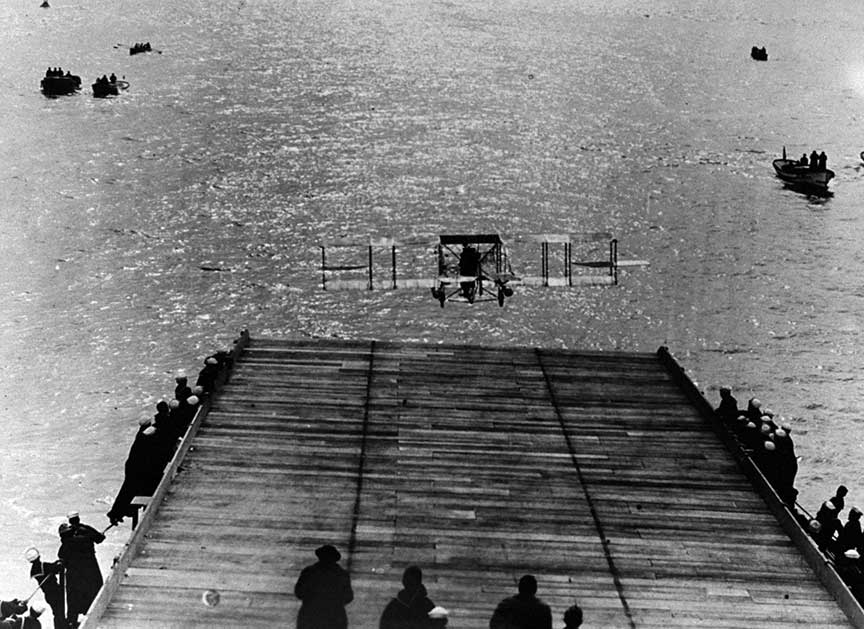
First Landing on a Ship
On January 18, 1911, Eugene Ely achieved a groundbreaking feat in aviation and naval history by successfully landing a specially-adapte
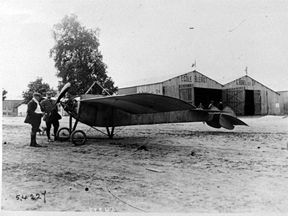
The First Aerial Bombing Raid
On November 1, 1911, during the Italo-Turkish War in Libya, the Italian aviator Lieutenant Giulio Gavotti carried out what is generally
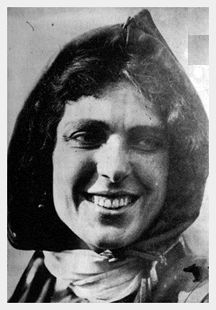
Harriet Quimby Dies in Crash
On July 1, 1912, Harriet Quimby, the first American woman to earn a pilot's license, was killed in a crash at the Boston-Harvard Aviati
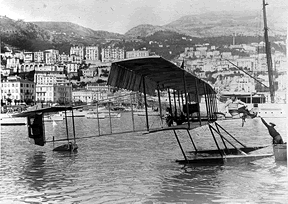
The World's First Seaplane Contest at Monaco
In 1912 the principality of Monaco hosted the world's first competition for seaplanes, a new and rapidly developing class of aircraft a
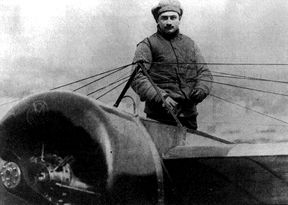
Roland Garros Crosses the Mediterranean
On September 23, 1913, the French aviator Roland Garros completed the first flight across the Mediterranean Sea, a daring long-distance
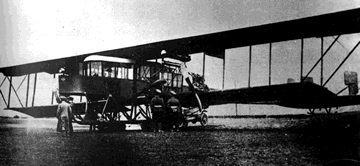
Sikorsky's Giant Four-Engine Aircraft Flies
In 1913, the Russian engineer Igor Sikorsky flew the largest aircraft yet built, a pioneering four-engine machine sometimes called the
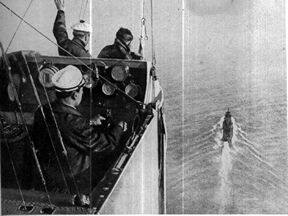
Aerial Reconnaissance Proves Its Value at Tannenberg
In the opening weeks of the First World War in 1914, aerial reconnaissance demonstrated its battlefield value on the Eastern Front.
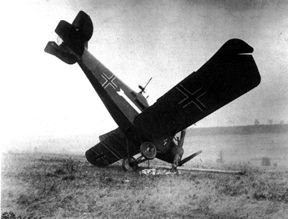
First Aerial Bombing of Paris
On Sunday, August 30, 1914, in the opening weeks of the First World War, a single German aircraft appeared over Paris and dropped sever
First Aircraft Forced Down in Combat
On August 25, 1914, in the early days of the First World War, three British aircraft of the Royal Flying Corps encountered a German rec
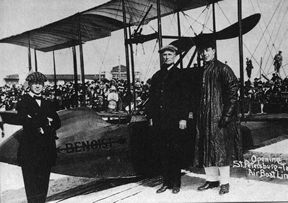
First Scheduled Airline Passenger Service
On January 1, 1914, the St.
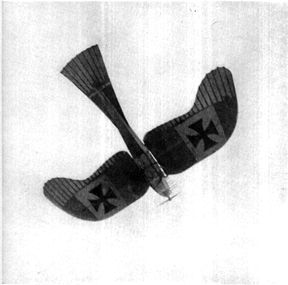
The Fokker Eindecker and the Fokker Scourge
In 1915 Germany introduced the Fokker Eindecker monoplane to the Western Front, and for a period it dominated the skies in what the All
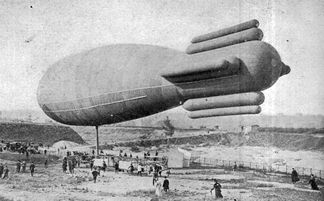
Zeppelins Bomb London
On the night of September 8, 1915, during the First World War, the German Navy Zeppelin L13 carried out one of the most destructive air
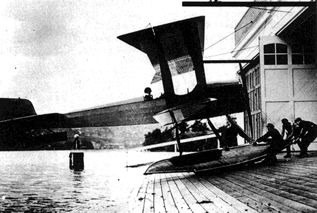
The Boeing Aircraft Company Is Founded
In 1916, the Seattle lumber businessman William E.
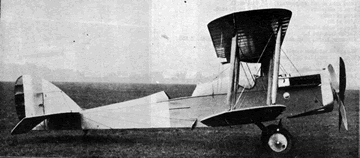
The DH.2 Ends the Fokker Scourge
In early 1916 a new British fighter, the Airco DH.2, entered service on the Western Front and helped break the period of German air sup
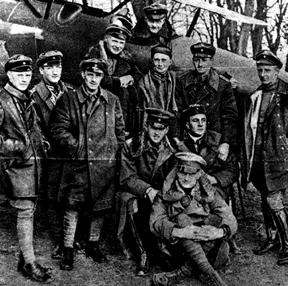
Bloody April
"Bloody April" refers to the catastrophic losses suffered by Britain's Royal Flying Corps over the Western Front in April 1917, during
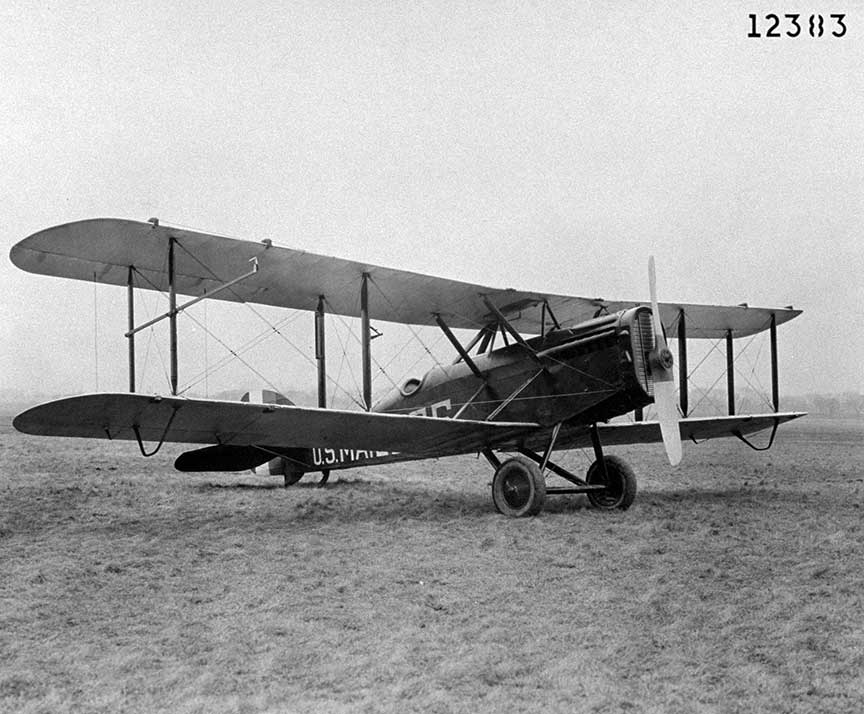
Air Mail Service Begins
On May 15, 1918, the United States Post Office launched the first regularly scheduled air mail service, marking a groundbreaking moment
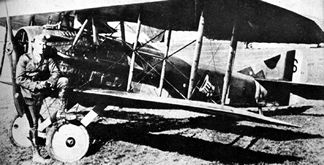
Eddie Rickenbacker Downs Two Planes in a Day
On September 25, 1918, Captain Edward V.
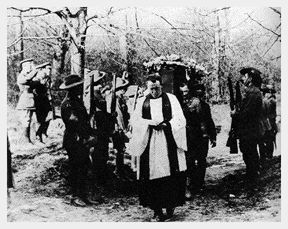
The Red Baron Is Shot Down
On April 21, 1918, Manfred von Richthofen, the German fighter ace universally known as the Red Baron, was shot down and killed near the
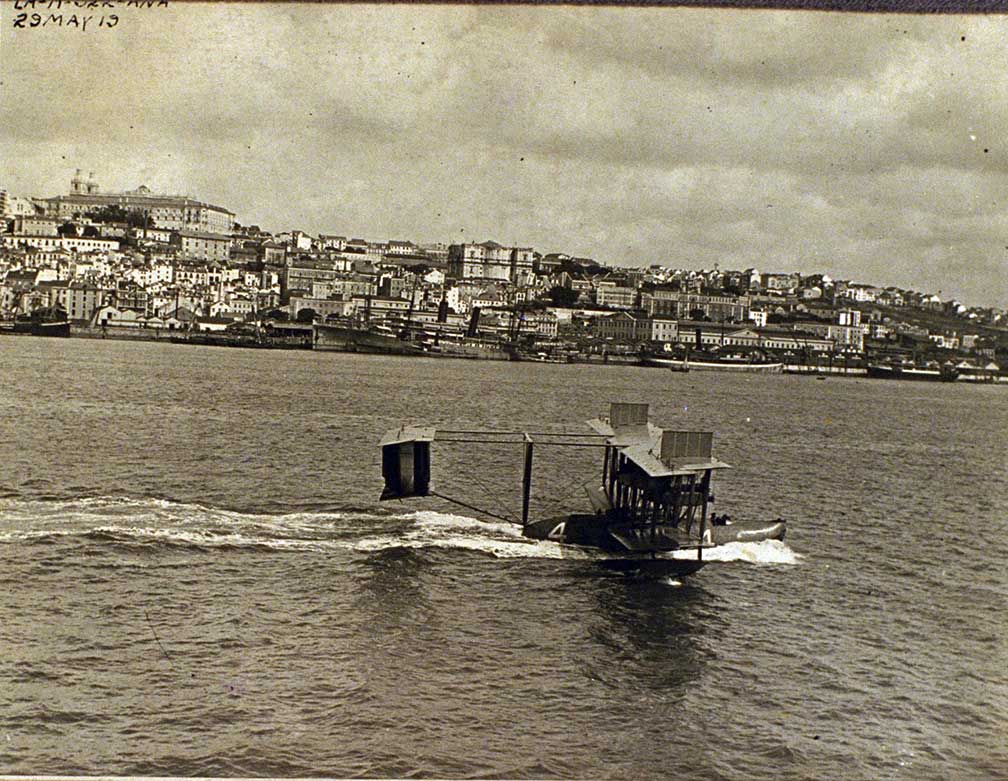
Seaplanes Cross the Atlantic
On May 8, 1919, three Navy Curtiss NC flying boats set out from Rockaway Air Station in New York on an ambitious mission: to achieve th
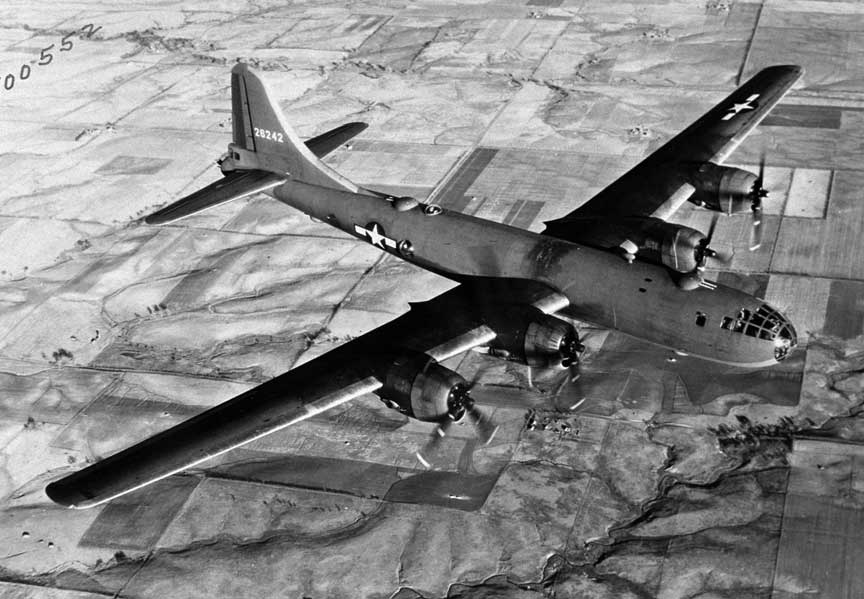
The B-29 Superfortress
The Boeing B-29 Superfortress was the most advanced heavy bomber to see service in the Second World War.
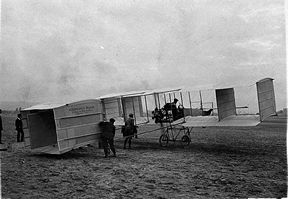
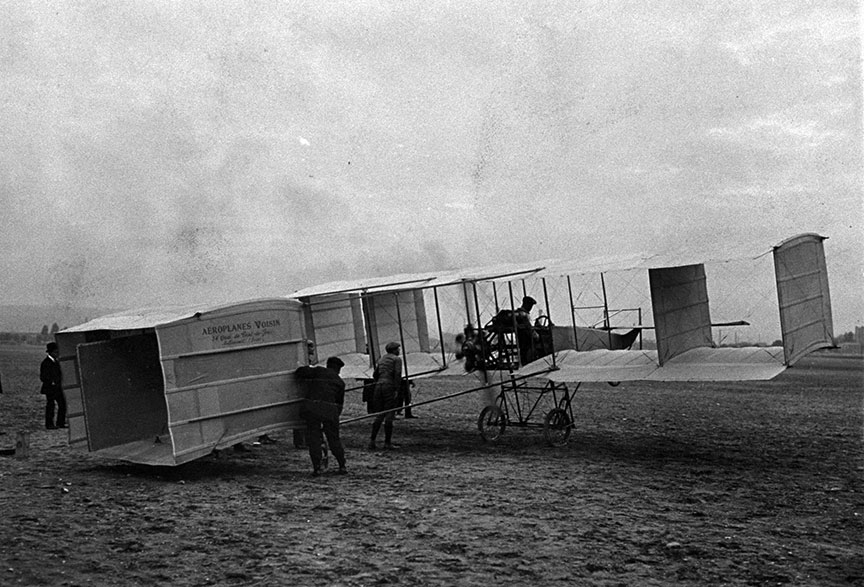
The Voisin-Delagrange Biplane Flies
In the early years of European powered flight, the brothers Gabriel and Charles Voisin became among the first commercial aircraft build