The Fokker Eindecker and the Fokker Scourge
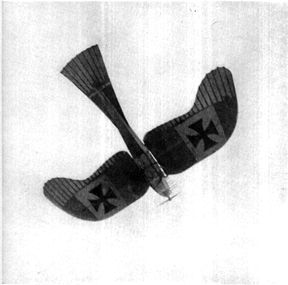
In 1915 Germany introduced the Fokker Eindecker monoplane to the Western Front, and for a period it dominated the skies in what the Allies came to call the "Fokker Scourge." The aircraft itself was an unremarkable performer, but it carried a revolutionary advantage: a synchronized machine gun that could fire forward through the spinning propeller without striking the blades.
This interrupter gear allowed the pilot to aim the entire aircraft at his target, a far more effective method than the awkward arrangements used previously. German pilots such as Max Immelmann and Oswald Boelcke exploited the Eindecker to devastating effect, pioneering the tactics of single-seat fighter combat and inflicting heavy losses on Allied reconnaissance aircraft.
The Fokker Scourge lasted roughly into early 1916, when new Allied fighters such as the Airco DH.2 and the Nieuport scouts restored the balance. Though brief, the Eindecker's ascendancy marked the birth of the dedicated fighter aircraft and the beginning of organized aerial warfare as it would be understood thereafter.