The B-29 Superfortress
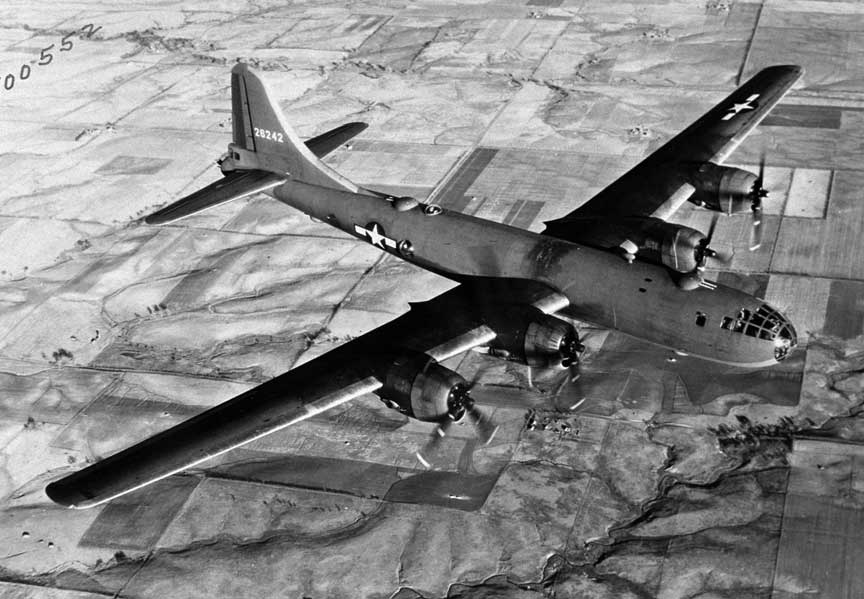
The Boeing B-29 Superfortress was the most advanced heavy bomber to see service in the Second World War. First flown in 1942, it was a large, long-range four-engine aircraft notable for its pressurized crew compartments, which allowed its men to operate in comfort at high altitude, and for its remotely controlled, computer-aimed defensive gun turrets.
Designed for very long-range strategic bombing, the B-29 entered combat in 1944. Operating first from bases in China and India and then from islands in the Marianas, the type carried the American strategic air campaign directly to the Japanese home islands, conducting both high-altitude precision raids and devastating low-level incendiary attacks on Japanese cities.
The B-29 holds a singular place in history as the aircraft that delivered the only atomic weapons ever used in war. In August 1945 the bomber Enola Gay dropped the first atomic bomb on Hiroshima, and days later Bockscar struck Nagasaki. The Superfortress went on to serve into the postwar years and the Korean War, and its advanced design influenced a generation of large aircraft.