First Aerial Bombing of Paris
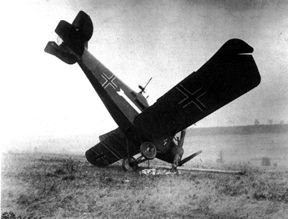
On Sunday, August 30, 1914, in the opening weeks of the First World War, a single German aircraft appeared over Paris and dropped several small bombs near the Gare de l'Est railway station. The raid caused only minor casualties, injuring a small number of civilians, but its psychological impact was far greater than the physical damage.
The attack marked one of the first instances of an enemy aircraft bombing a major European capital, demonstrating that the airplane had transformed war by carrying the fighting directly to cities far behind the front lines. Leaflets were sometimes dropped alongside the bombs, warning Parisians of German advances.
These early raids, soon followed by Zeppelin airship attacks, signaled the dawn of strategic aerial bombardment. They forced governments to consider air defense of civilian populations for the first time and foreshadowed the far more devastating bombing campaigns that would define the wars of the twentieth century.