Air War Over Vietnam
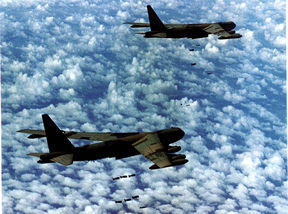
The air war over Vietnam was one of the longest and most intense aerial campaigns of the Cold War. From the mid-1960s into the early 1970s, U.S. air power was central to American strategy, ranging from sustained strategic bombing campaigns over North Vietnam to relentless close air support, interdiction, and helicopter operations across the South. Operations such as Rolling Thunder and the later Linebacker campaigns sought to pressure North Vietnam and cut its supply lines.
The conflict pitted advanced American aircraft, including the F-4 Phantom, F-105 Thunderchief, B-52 bomber, and a wide array of helicopters, against an increasingly sophisticated North Vietnamese air defense network. Soviet-supplied surface-to-air missiles, dense anti-aircraft artillery, and nimble MiG fighters inflicted significant losses and forced major changes in tactics, electronic countermeasures, and aircrew training.
The war demonstrated both the reach and the limits of air power. Despite enormous tonnages of bombs dropped and technological superiority, air power alone could not deliver victory against a determined adversary fighting a largely guerrilla war. The painful lessons learned over Vietnam, especially in air combat and the suppression of enemy air defenses, drove sweeping reforms in U.S. military aviation in the decades that followed.