Boeing 767
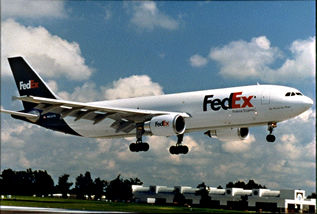
The Boeing 767 was a wide-body, twin-engine jetliner introduced by Boeing in the early 1980s, with the first aircraft delivered in 1982. It was developed in parallel with the narrow-body 757 and shared advanced systems and a similar flight deck with that aircraft. The 767 incorporated newer-generation engines, aerodynamics, and electronics that gave it significantly greater fuel efficiency than the planes it was designed to replace.
The 767 was one of the first wide-body aircraft to be certified for extended twin-engine overwater operations, helping pioneer the use of two-engine jets on long transoceanic routes that had previously required three or four engines. This reshaped airline economics on many international routes by lowering operating costs.
Built in several passenger and freighter variants, the 767 enjoyed a long production life and served airlines and cargo operators worldwide. A military derivative was also adapted as an aerial refueling tanker for the U.S. Air Force, extending the design's relevance well beyond its original commercial role.