 >
>Tweed Corruption in New York
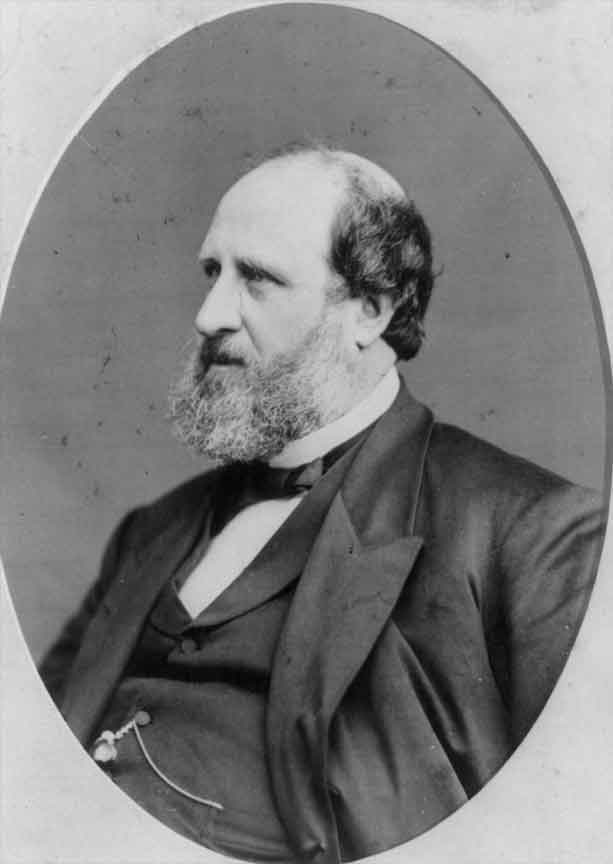
Boss Tweed
William "Boss" Tweed, the head of what had became known as Tammany Hall, was exposed of having stolen between $75 million and $200 million from the city over the years. The exposure of such large scale corruption helped propel the movement for reform in American politics.
William Tweed was merely one of numerous prominent city political leaders. These leaders governed themselves as a separate entity, ensuring political support by distributing jobs to their supporters and addressing their various grievances against the government. Notably, they were particularly adept at gaining support from new immigrants.
Furthermore, the political leaders utilized their power to embezzle funds from local governments. The most infamous example was William Tweed. One instance of his corruption was a three-story townhouse that he billed the city $12.5 million for constructing; this amount was approximately 20 times the actual cost. By 1870, it was estimated that Tweed possessed a net worth of $20 million. In the Spring of 1871, Tweed hosted the most extravagant social event of the era, the wedding of his daughter, Mary Amelia. It was estimated that the newlyweds received gifts valued at the time at $750,000.
Evidence of his corruption accumulated, but Tweed ensured that the newspapers downplayed its significance. Even President Grant became involved in attempting to thwart Tweed’s actions, dispatching the 8th Infantry and two warships to New York to ensure a fair election in the hope of ousting Tweed’s supporters. However, they were re-elected in 1873 regardless.
Individuals meticulously documented the embezzlement of Tweeds’ funds. Following the demise of one of Tweeds’ partners, who served as a Director of the New York Times, the newspaper initiated an investigation into Tweeds’ activities. The paper published an expose revealing his corrupt practices. A committee of 70 was formed to combat Tweeds’ corruption. Congressman Robert Barnell Roosevelt, Theodore Roosevelt’s uncle, famously declared, “An aroused and outraged public is not patient.” Consequently, Samuel Tilden was appointed as the special prosecutor. Tweeds was arrested and tried. In the initial trial, a hung jury resulted. However, in the second trial, he was found guilty and sentenced to 12 years. After a year, the court of appeals reduced the sentence to time served. A new arrest warrant was issued, but he managed to escape from detention and fled to Spain. There, he was recognized and returned to the United States. In exchange for a reduced sentence, he offered to betray numerous serving politicians. However, for some inexplicable reason, his trial was repeatedly postponed until his untimely death in jail at the age of 57.