Lockheed P-3A Orion
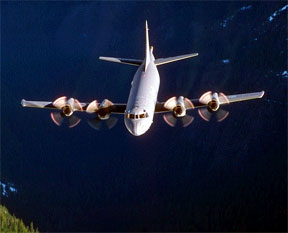
The P-3A Orion was the first production version of Lockheed's long-range maritime patrol and anti-submarine warfare aircraft, developed from the L-188 Electra airliner. A four-engine turboprop, it replaced the P2V Neptune in U.S. Navy patrol squadrons, carrying sensors, sonobuoys, depth charges, mines and torpedoes to hunt submarines and conduct ocean surveillance over very long endurance missions. The Orion first flew in 1959, and as the P3V-1, redesignated P-3A in 1962, it began reaching squadrons VP-8 and VP-44 that year.
The P-3A was powered by four Allison T56-A-10W engines with water-methanol injection and could loiter for many hours on patrol. Later P-3B and the definitive P-3C variants brought more powerful engines and advanced avionics. Built in large numbers and widely exported, the Orion served the U.S. Navy and many allied nations for over half a century as the backbone of land-based maritime patrol aviation.
Specifications
- Manufacturer
- Lockheed
- Type
- Maritime patrol and anti-submarine warfare aircraft
- Crew
- 10-12 (flight crew plus mission and sensor operators)
- First Flight
- November 25, 1959 (P-3 prototype)
- Powerplant
- 4 x Allison T56-A-10W turboprops, approx. 4,500 shp each
- Max Speed
- Approx. 405 kn (466 mph; 750 km/h)
- Range
- Approx. 4,000 nautical miles (7,400 km) ferry; long patrol endurance
- Service Ceiling
- Approx. 28,000 ft (8,500 m)
- Length
- 116 ft 10 in (35.6 m)
- Wingspan
- 99 ft 8 in (30.4 m)
- Loaded Weight
- Max takeoff approx. 135,000 lb (61,200 kg)
- Armament
- Torpedoes, depth charges, mines, sonobuoys