Boeing B-29 Superfortress
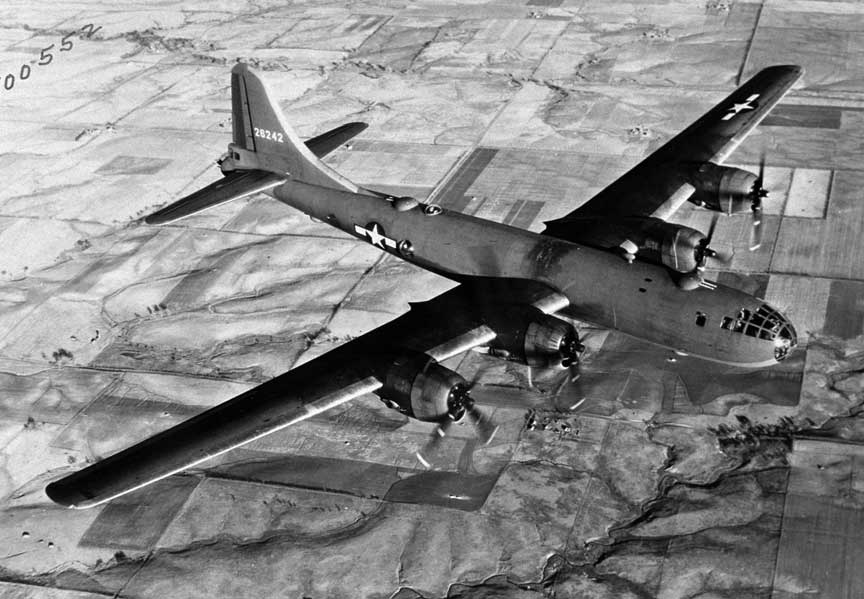
The Boeing B-29 Superfortress was the most advanced heavy bomber of World War II and the heaviest production bomber of the conflict. First flown on September 21, 1942, it introduced a pressurized crew cabin, remotely controlled gun turrets, and a long range that allowed it to strike targets far beyond the reach of earlier bombers. B-29s began bombing Japan from bases in China in 1944 and later flew sustained strategic campaigns from the Mariana Islands, including devastating high-altitude and low-level incendiary raids.
The aircraft secured its place in history when B-29s dropped the atomic bombs on Hiroshima and Nagasaki in August 1945, helping bring the war to an end. After the war the Superfortress continued in service, seeing combat again in Korea, and its design influenced postwar bombers and the first American intercontinental aircraft.
Specifications
- Manufacturer
- Boeing Airplane Company
- Type
- Heavy strategic bomber
- Crew
- 10-11
- First Flight
- September 21, 1942
- Powerplant
- 4 x Wright R-3350 Duplex-Cyclone radials, 2,200 hp each
- Max Speed
- ~357 mph
- Range
- ~3,250 mi
- Service Ceiling
- ~31,800 ft
- Length
- 99 ft
- Wingspan
- 141 ft 3 in
- Loaded Weight
- ~120,000 lb (max takeoff)
- Armament
- 10-12 x .50 in machine guns; up to 20,000 lb bombs