Curtiss XP-10
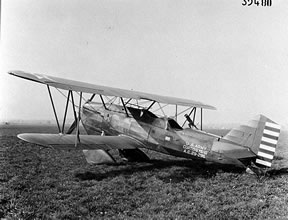
The Curtiss XP-10 was an experimental gull-wing biplane fighter tested by the U.S. Army Air Corps after being ordered in June 1928. Intended to be fast and agile enough to dominate a dogfight, it featured an upper wing of gull form joined directly at the fuselage, which improved the pilot's view and allowed the wing and fuselage to meet at a drag-minimizing angle. The wings were plywood-covered and the fuselage was fabric-covered steel tubing, while power came from a 600-horsepower Curtiss V-1570 Conqueror V-12.
To reduce drag, the cooling radiator was unconventionally built into the upper wing using corrugated brass surfaces. Delivered in August 1928, the XP-10 first flew that September, but persistent trouble with the surface-radiator cooling system and its plumbing led to the program being abandoned after only the single prototype. It remains a striking example of late-1920s aerodynamic experimentation.
Specifications
- Manufacturer
- Curtiss Aeroplane & Motor Company
- Type
- Experimental fighter biplane
- Crew
- 1
- First Flight
- September 1928
- Powerplant
- 1 x Curtiss V-1570 Conqueror, 600 hp
- Loaded Weight
- 3,400 lb (gross)