Curtiss XF8C Helldiver
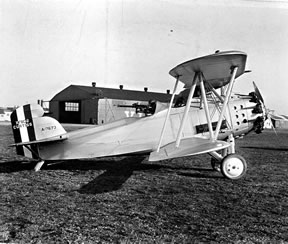
The Curtiss XF8C was the prototype of the Helldiver, a two-seat fighter and dive bomber developed for the U.S. Navy and Marine Corps in the late 1920s. First flown in 1928, it was among the first purpose-built dive bombers in American service, combining the agility of a fighter with the ability to deliver bombs in a steep dive. The airframe was built around a welded steel-tube fuselage with fabric-covered wooden wings, and the XF8C-2 introduced the 450-horsepower Pratt & Whitney R-1340 Wasp radial engine that powered the production versions.
Armament typically comprised two fixed forward-firing machine guns plus a flexible gun for the observer, with provision for bombs under the wings or fuselage. The Helldiver served with Marine Corps units and helped establish dive bombing as a core U.S. naval tactic, lending its name to a long line of later Curtiss aircraft.
Specifications
- Manufacturer
- Curtiss Aeroplane & Motor Company
- Type
- Fighter / dive bomber
- Crew
- 2
- First Flight
- 1928
- Powerplant
- 1 x Pratt & Whitney R-1340 Wasp, 450 hp
- Max Speed
- approx. 137 mph
- Length
- 25 ft 8 in
- Wingspan
- 32 ft
- Loaded Weight
- 3,347 lb (gross)
- Armament
- 2 x fixed .30 in MG, 1 x flexible .30 in MG; bombs