Naval Aircraft Factory PN-7
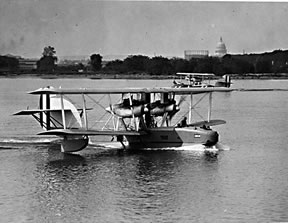
The PN-7 was an experimental twin-engine patrol flying boat developed by the Naval Aircraft Factory in Philadelphia in 1923. It was one of the first steps in the Navy's long effort to modernize the patrol boats it had inherited from the World War I-era Curtiss F-5L, pairing that aircraft's wooden hull with an entirely new, thicker, higher-lift biplane wing. Ordered in January 1923, the first of two PN-7s flew that November. The aircraft carried a crew of five and was powered by two experimental 525-horsepower Wright T-2 engines; while the new wing proved a success, the engines were unreliable and the wooden hull demanded heavy maintenance.
The PN-7 nonetheless validated the aerodynamics that would carry through the entire PN series and, ultimately, the production patrol boats built by Douglas, Keystone and Martin. It was a foundational design rather than a frontline type.
Specifications
- Manufacturer
- Naval Aircraft Factory
- Type
- Patrol flying boat (experimental)
- Crew
- 5
- First Flight
- November 1923
- Powerplant
- 2 x Wright T-2, 525 hp each
- Max Speed
- 104 mph
- Service Ceiling
- 9,200 ft
- Length
- 49 ft 1 in
- Wingspan
- 72 ft 10 in
- Loaded Weight
- 14,203 lb (gross)