Air War of the Yom Kippur War
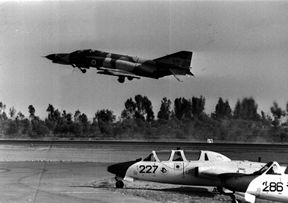
In October 1973, the armies of Egypt and Syria launched a surprise attack on Israel on the Jewish holy day of Yom Kippur, opening a war that would test Israeli air power as never before. The Israeli Air Force, which had dominated the skies during the 1967 Six-Day War, expected to again use air superiority to blunt the Arab advance and buy time for Israel to mobilize its reserves.
Instead, the Israeli pilots ran into a dense, modern, Soviet-supplied air defense network. Mobile surface-to-air missile batteries and radar-guided anti-aircraft guns, layered to cover the advancing Arab armies, took a heavy toll. Israel reportedly lost around 30 aircraft on the first day alone, as attacking jets were caught in the missile envelopes while trying to support hard-pressed ground forces.
Over the course of the fighting, the Israeli Air Force adapted its tactics, combining electronic countermeasures, ground operations against the missile sites, and changed flight profiles to regain freedom of action in the skies. The war became a landmark study in the growing lethality of integrated air defenses and reshaped how air forces around the world approached the suppression of surface-to-air missile threats.