Lockheed L-1011 TriStar
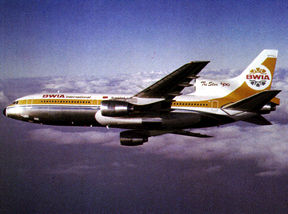
The Lockheed L-1011 TriStar made its first flight on November 16, 1970. It was a wide-body, three-engine jet airliner and marked Lockheed's return to the commercial airliner market for the first time since the turboprop Electra. Technologically advanced for its day, the TriStar featured a sophisticated autopilot and automatic landing system and was praised for its smooth, quiet ride.
Despite its engineering merits, the program was a financial disaster. The development costs strained Lockheed severely, and the aircraft's chosen engine, the Rolls-Royce RB211, proved so costly to develop that it was a major factor in driving Rolls-Royce into bankruptcy. The TriStar also competed directly against the very similar McDonnell Douglas DC-10, splitting a market that was arguably too small for two such aircraft.
Eastern Air Lines became the first carrier to operate the TriStar commercially, beginning service in 1972. Although the aircraft earned a strong reputation for reliability and safety in airline service, it never sold in sufficient numbers to recover its costs, and its commercial failure effectively ended Lockheed's involvement in building airliners.