Berlin Airlift
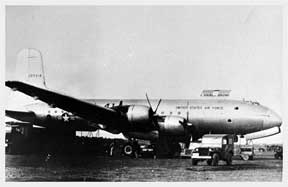
In 1948 the Soviet Union imposed a blockade on the Allied sectors of Berlin, which lay deep within Soviet-occupied East Germany, cutting off road, rail, and water access to the western half of the city. Rather than abandon West Berlin or risk armed conflict, the United States and its allies responded with the largest airlift the world had ever seen, supplying the city entirely by air.
The American operation, code-named Operation Vittles, was directed largely through the newly formed Military Air Transport Service. Over the course of the airlift, allied aircraft flew well over a hundred thousand flights into Berlin, delivering food, coal, and other essential supplies around the clock to sustain more than two million residents.
The blockade was lifted in 1949 after the airlift demonstrated that the Western powers could keep the city supplied indefinitely. The Berlin Airlift became one of the defining episodes of the early Cold War, a symbol of Western resolve and a showcase of the strategic importance of air transport.